Innovative Water Treatment Solutions for Industry Challenges
- Narendra Waykole
- Feb 13
- 4 min read

Water is an essential resource for industries worldwide, yet the challenges associated with its treatment and management are significant. As industries face increasing pressure to comply with environmental regulations and improve sustainability, innovative water treatment solutions have emerged as vital tools. This blog post explores some of the most effective and cutting-edge water treatment technologies available today, their applications, and the benefits they bring to various sectors.
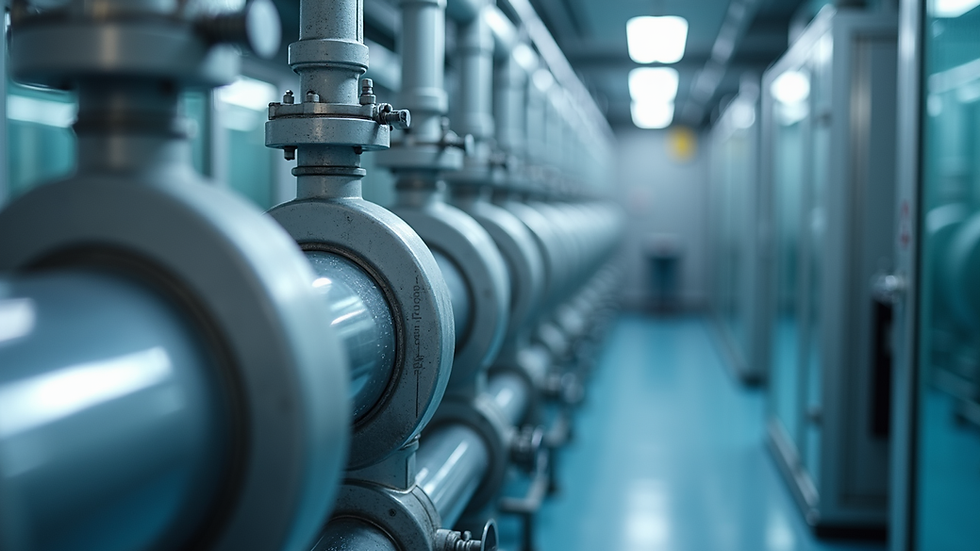
Understanding the Importance of Water Treatment
Water treatment is crucial for several reasons:
Health and Safety: Ensuring that water is free from contaminants protects public health.
Regulatory Compliance: Industries must adhere to strict environmental regulations regarding water discharge and usage.
Resource Management: Efficient water treatment helps conserve this precious resource, reducing waste and promoting sustainability.
As industries evolve, so do the technologies that support effective water treatment. Let's delve into some of the most innovative solutions available today.
Advanced Filtration Technologies
Membrane Filtration
Membrane filtration is a process that uses semi-permeable membranes to separate contaminants from water. This technology is particularly effective for removing particles, bacteria, and even viruses. There are several types of membrane filtration, including:
Microfiltration: Removes larger particles and microorganisms.
Ultrafiltration: Targets smaller particles and some dissolved substances.
Nanofiltration: Effective for divalent ions and larger organic molecules.
Reverse Osmosis: Removes nearly all contaminants, including salts.
Applications: Membrane filtration is widely used in municipal water treatment, food and beverage processing, and pharmaceutical manufacturing.
Activated Carbon Filtration
Activated carbon filtration utilizes carbon that has been treated to create a vast network of pores, enhancing its ability to adsorb contaminants. This method is particularly effective for removing organic compounds, chlorine, and odors.
Applications: Commonly used in drinking water treatment, wastewater treatment, and air purification systems.
Chemical Treatment Solutions
Coagulation and Flocculation
Coagulation and flocculation are processes that involve adding chemicals to water to aggregate and settle out suspended particles. Coagulants, such as aluminum sulfate, help to neutralize the charges of particles, allowing them to clump together. Flocculation follows, where gentle mixing encourages the formation of larger aggregates, or flocs, which can then be removed.
Applications: These processes are essential in municipal water treatment plants and industrial wastewater treatment.
Advanced Oxidation Processes (AOP)
Advanced oxidation processes involve the generation of highly reactive species, such as hydroxyl radicals, to break down organic contaminants in water. AOPs can effectively treat a wide range of pollutants, including pharmaceuticals and personal care products.
Applications: Used in industrial wastewater treatment, groundwater remediation, and drinking water purification.
Biological Treatment Methods
Bioreactors
Bioreactors utilize microorganisms to break down organic matter in wastewater. These systems can be designed to optimize conditions for microbial growth, enhancing the degradation of pollutants. Common types of bioreactors include:
Activated Sludge Systems: Use aeration tanks to promote microbial growth.
Membrane Bioreactors (MBR): Combine biological treatment with membrane filtration for enhanced efficiency.
Applications: Widely used in municipal wastewater treatment and industrial applications.
Constructed Wetlands
Constructed wetlands are engineered systems that mimic natural wetlands to treat wastewater. They utilize the natural processes of plants, soil, and microorganisms to filter and degrade contaminants.
Applications: Effective for treating agricultural runoff, municipal wastewater, and stormwater.
Emerging Technologies
Nanotechnology in Water Treatment
Nanotechnology involves manipulating materials at the molecular level to create innovative solutions for water treatment. Nanomaterials, such as nanoparticles and nanocomposites, can enhance filtration, adsorption, and disinfection processes.
Applications: Used in advanced filtration systems, sensors for water quality monitoring, and targeted removal of specific contaminants.
Smart Water Management Systems
The integration of IoT (Internet of Things) technology in water treatment allows for real-time monitoring and management of water resources. Smart sensors can detect changes in water quality, enabling prompt responses to contamination events.
Applications: Used in municipal water systems, industrial processes, and agricultural irrigation.
Case Studies of Successful Implementation
Case Study 1: Municipal Water Treatment
A city in California implemented a membrane filtration system to enhance its drinking water treatment process. By adopting this technology, the city was able to significantly reduce the levels of contaminants, ensuring compliance with state and federal regulations. The system also improved the overall quality of drinking water, leading to increased public satisfaction.
Case Study 2: Industrial Wastewater Management
An automotive manufacturing plant faced challenges with wastewater containing heavy metals and organic solvents. By integrating advanced oxidation processes into their treatment system, the facility successfully reduced pollutant levels, allowing for safe discharge into the environment. This solution not only met regulatory requirements but also minimized the environmental impact of their operations.
Benefits of Innovative Water Treatment Solutions
The adoption of innovative water treatment technologies offers numerous benefits for industries, including:
Cost Savings: Improved efficiency in water treatment can lead to reduced operational costs.
Environmental Compliance: Advanced technologies help industries meet stringent environmental regulations.
Resource Conservation: Effective treatment processes promote the sustainable use of water resources.
Conclusion
As industries continue to face challenges related to water treatment, innovative solutions are essential for ensuring compliance, sustainability, and public health. By embracing advanced filtration technologies, chemical treatment methods, biological processes, and emerging technologies, industries can effectively address their water treatment needs. The future of water treatment lies in the integration of these innovative solutions, paving the way for a more sustainable and responsible approach to water management.
Incorporating these technologies not only benefits individual industries but also contributes to the overall health of our ecosystems. As we move forward, it is crucial for industries to stay informed about the latest advancements in water treatment and to adopt practices that support both their operational goals and environmental stewardship.

Comments